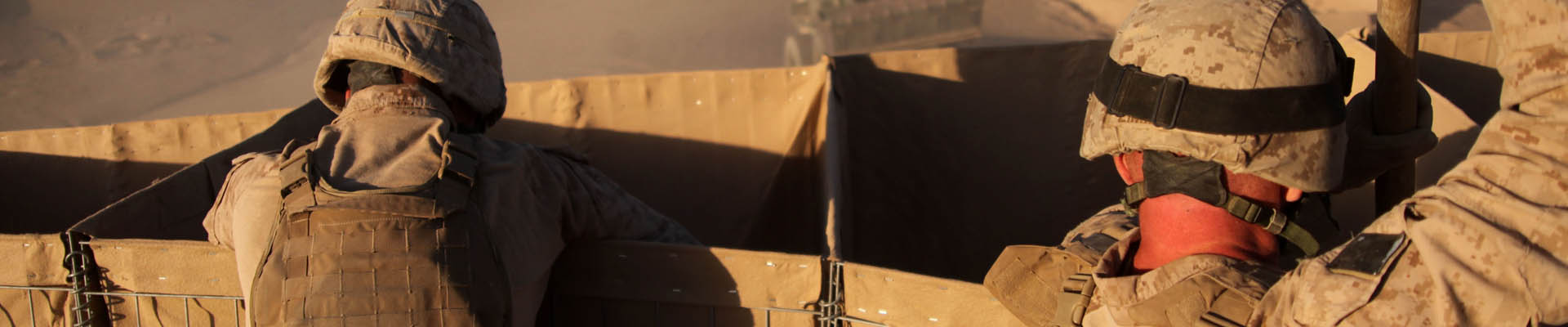
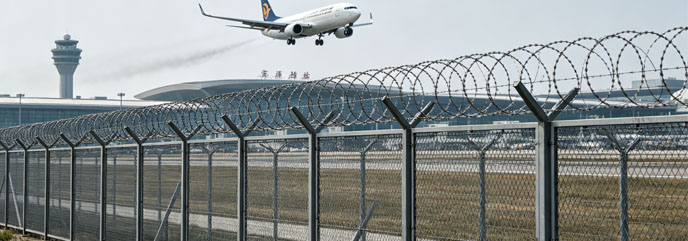
IntroductionSecurity threats around indu
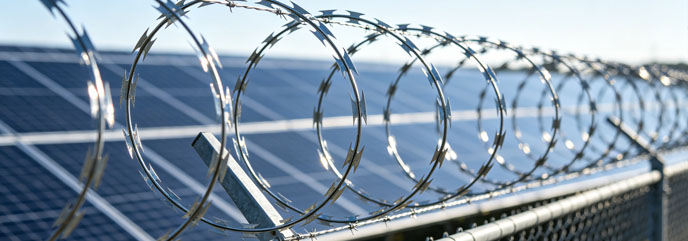
IntroductionModern security environments
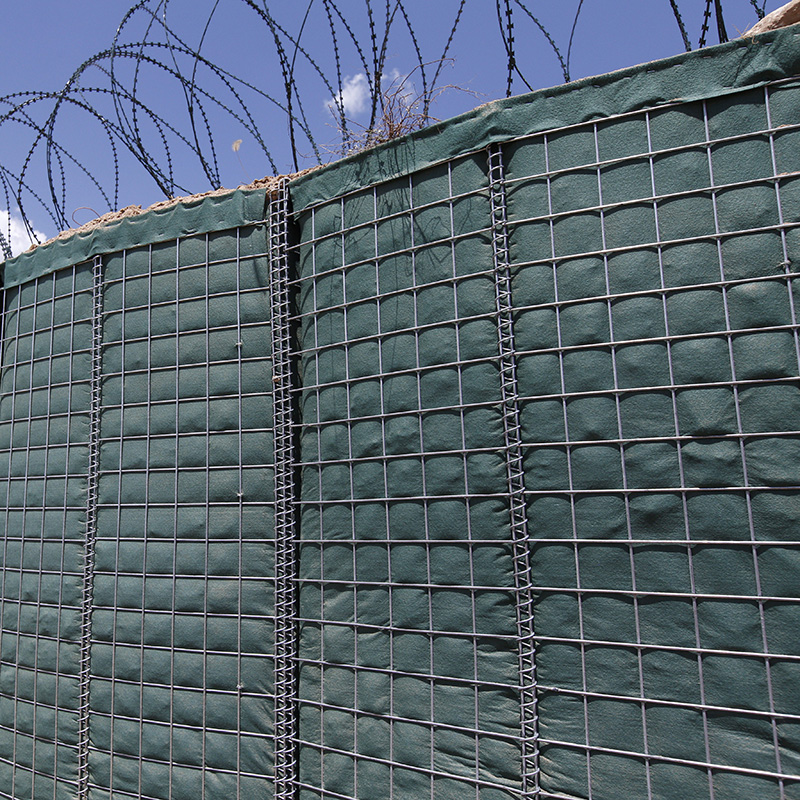
Durability isn’t a luxury. It’s a neces
I’m not an engineer, but I’ve spent enough time around blast tests to appreciate the physics. When an explosion happens, it’s not just a push; it’s a wave. It seeks the path of least resistance. Military bastion barriers are designed to deny that path. The geometry is everything.
Look at the angle. Most bastion panels are set at 15 to 30 degrees. This isn't random. It’s calculated to deflect blast waves upward and outward. A vertical wall takes the full force. An angled wall redirects it. The difference in pressure on the protected side is massive. I’ve seen sensors show a 70** reduction in overpressure behind an angled bastion. That’s the difference between broken windows and safe personnel.
The interlocking system is also crucial. Gaps are weaknesses. Blast waves love gaps. Military bastions overlap. They create a continuous surface. No seams for the wave to penetrate. The locks are heavy-duty. They don't just hold the panels together; they transfer the load. When one panel takes a hit, the neighbors share the burden. The whole system works as one.
Material matters too. We use high-tensile steel. It bends, it doesn't shatter. Brittle materials fail catastrophically. Steel deforms. It absorbs energy. After a test blast, the panels might be warped, but they are still standing. They still provide protection. That resilience is engineered, not accidental.
I’ve discussed this with security consultants. They love the predictability. With military bastions, you can model the protection. You know the standoff distance required for a specific threat. You don't have to guess. You can calculate the safe zone. This takes the emotion out of security planning. It becomes a math problem with a known solution.
Retrofitting is another angle. Existing buildings often have weak perimeters. Adding steel bastions in front of glass facades is a common fix. The barrier takes the blast; the glass stays intact. It’s a cost-effective way to upgrade legacy sites without rebuilding.
Maintenance of blast integrity is simple. Check the locks. Check for corrosion. Ensure the base is secure. A loose panel is a weak panel. Regular inspections keep the system ready.
For anyone designing security in high-threat areas, understand the engineering. Don't just buy a wall; buy a system. Military bastion barriers are the result of rigorous testing and real-world feedback. They are designed to save lives when the worst happens. Trust the science. Trust the steel.Industry updates and product insights on razor wire applications and security fencing solutions for global clients.
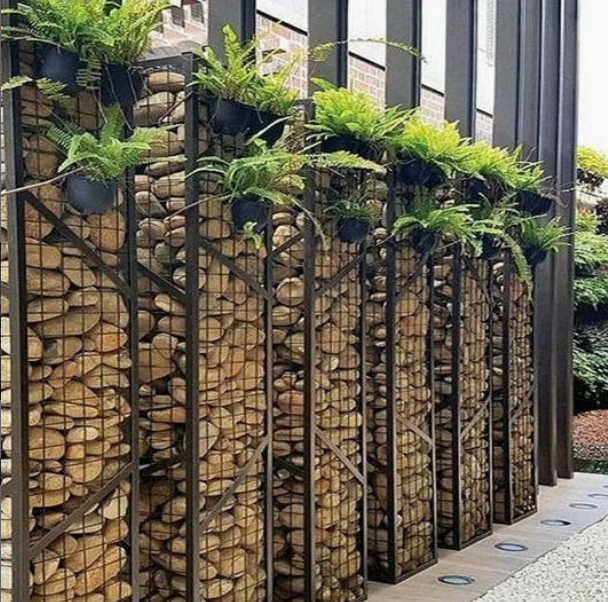
The developer had one request for thelandscape designer:“Please give us a boundary wall that doesn't
IntroductionSecurity threats around industrial facilities, military zones, and critical infrastructu
Contact our team for product details, quotations, and razor wire project support.
Chat on WhatsApp